By Yeajewel | 14 March 2023 | 0 Comments
Best Place To Buy Wholesale Children's Clothes (2023 NEW)
In recent years, the children's clothing market in China has shown a vigorous development trend. With the increasing attention and care for children, the demand for children's clothing has been continuously increasing, and the market prospect is very broad, which has attracted more and more entrepreneurs and investors to enter and share the pie.
However, the children's clothing industry is a field full of opportunities and challenges. For those who are new to the industry, how to start a children's clothing business, where to buy children's clothing or wholesale children's clothing boutique products, and how to operate clothing wholesale business are all issues that need to be carefully considered and studied.
This article will introduce the development status of China's children's clothing and clothing market, and share some useful information and secrets to help those who are new to the industry better understand this field and successfully operate a children's clothing business.
1. The Development Status of China's Clothing Market - A Manufacturing Powerhouse
In the clothing industry, China is a well-deserved leading country in the world. In the entire textile industry, China occupies one-third of the world, making it the biggest textile country. As for children's clothing, exported children's clothing can be divided into two categories: knitted or crocheted clothing (accounting for 78.6% of the global total) and non-knitted and non-crocheted clothing (21.4%). Overall, the top 5 children's clothing export countries are China, Bangladesh, India, Vietnam, and Cambodia. China accounts for one-quarter of the global children's clothing market in terms of exports.
Currently, there are more than 10,000 children's clothing companies in China, and the industry cluster is mainly distributed in Guangdong, Zhejiang, Fujian, and other places. China is the world's largest textile and garment production area. A complete clothing supply chain and strong clothing production capacity have enabled China's clothing industry to develop rapidly.
The most important point is the price advantage. China is also a major producer of clothing raw materials, with cotton being the most important one. China is the world's largest cotton producer, with an annual output of 6,102,800 tons. Moreover, China has a sufficient social labor force, making labor costs more favorable than other countries, which also prompts the cost of Chinese-made clothing to be lower. When the manufacturing cost of clothing is lowered, profits are increased. For an enterprise, this is the most important aspect.


After getting a basic understanding of China's clothing market, let's get back to the topic of children's clothing. After reading this, you will definitely gain unexpected benefits...
2. How to start up a children's clothing business?
Setting up a children's clothing company is a huge challenge because children's fashion updates very quickly. Do you have strong creativity? Launching a children's clothing line is a great way to showcase your creativity. Children's clothing has various patterns and designs that may not be found in adult clothing, not to mention that children's clothing usually allows for different types of creative expression and styles. Clothing production often requires manufacturers and wholesalers, and you can choose the most suitable type for yourself. Choosing the right manufacturer and wholesaler will not only ensure quality but also reduce production costs, thereby obtaining higher profits.
Many companies now place their products overseas for production, and they are looking for a reasonable price. If a lower price is needed, almost all of them go to China, importing children's clothes from china. Yaprak Yilmaz, director of the Londonist Textile Agency, said that "cheap" is the keyword today. This is also why she believes that the children's clothing industry is no different from purchasing men's and women's clothing. "The industry has undergone significant changes in recent years, but the clothing manufacturing industry is still looking for cheap clothing production," she said. "And China is still the preferred country for affordable children's textile and clothing purchases."
Firstly, I will introduce you to the classification of children's clothing in China, common materials, and production steps, and then introduce some places in China where you can wholesale children's clothing in detail. I believe that after you have finished reading, it will inspire your business.
2.1 Knowing children's clothing categories
There are three main ways to classify children's clothing: according to their functional purpose, their outfit combination, or their fabric. Children's clothing can be divided into two categories based on their function: underwear and outerwear, in addition to some accessories.
• Infant clothing: Infant clothing includes hooded shirts, bibs, onesies, cotton pants, sleeping bags, and capes, etc. Hooded shirts and bibs can prevent babies' saliva and food from staining their clothes, ensuring hygiene and cleanliness. Onesies are convenient for babies to wear and comfortable to move in. Sleeping bags and capes provide warmth and are also easy to change diapers. Infant clothes should be easy to wash, durable, and made of soft, breathable materials like pure cotton or fleece.
• Toddler clothing: Toddler clothing includes dresses, overalls, pinafore dresses, pants, hooded shirts, vests, jackets, coats, and capes, etc. Toddler clothes should be easy to put on and take off, and easy for children to move around in. They should be made of materials that are breathable, soft, and easy to wash, like pure cotton or fleece, as well as synthetic fabrics and wool for winter wear.
• Kindergarten uniforms: Kindergarten uniforms refer to the clothing worn by children in kindergarten. For girls, there are dresses, pinafore dresses, skirts, shorts, shirts, coats, and jackets. For boys, there are shirts, jackets, suits, vests, and coats, etc. These clothes can be used as school uniforms or for daily wear at home. The majority of the fabrics used are brushed knit cotton, pure cotton, corduroy, and blended cotton.
• School uniforms: School uniforms include girls' shirts, pinafore dresses, dresses, shorts, skirts, and coats, as well as boys' shirts, coats, long and short trousers, etc. These clothes are worn as school uniforms and can also be worn as daily wear at home. The fabrics used are similar to those used for kindergarten uniforms, and the colors should be clean and solemn.
• Sportswear: Sportswear includes long and short-sleeved sports shirts, round neck shirts, sports jackets, shorts, vests, swimsuits, etc., for boys and girls. Sportswear can be used as specialized clothing for physical education classes and various sports activities, as well as for leisure and entertainment wear. Materials such as brushed knit cotton, terry cloth, nylon, and cotton or blended knit fabric are suitable for sportswear.
• Casual wear: Casual wear includes hiking clothes, denim, beachwear, sailor suits, etc., with a relaxed and comfortable style. The fabrics used are mostly all-around khaki, twill, printed fabrics, and synthetic fabrics.
• Formal wear: Formal wear refers to the clothing worn by children at more formal occasions, including embroidered dresses, pleated dresses, lace dresses for girls, and formal suits for boys. These clothes are worn at birthday parties, celebrations, performances, and when visiting with parents or family. They are usually made of velvet, wool, and other delicate fabrics and decorated with exquisite embroidery.

2.2 Knowing material for children's clothes
Pure cotton: a natural fabric that is comfortable, breathable, and warm, but prone to wrinkles, difficult to maintain, less durable, and prone to fading. Therefore, fabrics that contain over 95% cotton are commonly called "pure cotton." It has strong moisture absorption, warmth, comfort, no static electricity, good breathability, anti-allergy, and is easy to clean. However, it is prone to wrinkles, shrinking, and cotton fibers can become brittle and hard when exposed to sunlight for long periods of time. Exposure to oxidants, bleaching powder, or dye with oxidative properties can also cause the fiber strength to decrease and become brittle.
Single-sided fabric: The dyeing is mainly on one side, and the front and back of the single-sided fabric look very different. The surface has a low needle count, while the bottom has a high needle count. The weaving method is sturdy, thinner than double-sided fabric, light, breathable, sweat-absorbent, with low elasticity, and a smooth surface. It is relatively prone to wrinkles and deformation and is often used for T-shirts.
Knitted double-sided fabric: The fabric pattern on the front and back is the same, and the bottom of the fabric is knitted more finely than ordinary knitted fabric. It has a smooth and elastic texture and is sweat-absorbent, often used for T-shirts.
Velvet: a type of fabric made of a raised fiber or yarn on one side, with a dense pile height of 1.5-5cm, soft and similar to swan feathers, hence the name "velvet." It has bright and natural colors, full and soft texture, and a comfortable and soft feel.
Corduroy: Soft to the touch, with straight and round pile, clear texture, full pile, and durable and wear-resistant quality.
Coral fleece: The texture is delicate, soft to the touch, does not shed or fade, and has excellent water absorption, three times that of all-cotton products. It does not cause any irritation or allergies to the skin, and has an attractive appearance with rich colors. It is a newly emerging cotton substitute product for bathrobes abroad.
Fleece: Fleece is a type of knitted fabric that uses a small ingot knitting structure. The front of the fabric has a raised nap that is dense and does not shed or pill easily, while the back of the fabric has a sparse and even raised nap with short pile and clear and fluffy elastic texture. It is usually made of polyester and feels soft. It is the preferred product for keeping warm in winter.
Flannel: A fabric with raised and sheared fibers on one side, with a strong texture and style, soft and comfortable to the touch, good elasticity, and strong wear resistance. It can store a large amount of air between the pile, thus providing good warmth.
Terry cloth: This fabric has a full and solid texture, sturdy and elastic fabric body, and good moisture absorption and warmth retention. The terry structure is stable, and it has good wearing performance. It is mainly used for sports clothing, collar T-shirts, pajamas, children's clothing, and other fabrics.
Polyester fiber: Polyester fiber is a synthetic fiber made by polymerizing polyester from organic dicarboxylic acids and diols. The polyester fiber that is industrially produced in large quantities is made from polyethylene terephthalate, known as "polyester" in China. It is currently the largest category of synthetic fiber.

2.3 Understanding the requirements of children's clothing at different age stages
• 0-2 year old preschool children: Before the age of one, most children are "chubby," growing quickly with tender skin and soft bones. The requirements for children's clothing are: mainly cotton underwear, loose and soft, with good breathability. Outerwear should be wide but not loose, with good insulation and conducive to infants' and young children's activities. Clothes that are too small should not be worn tightly, as this is not conducive to the child's growth. Clothes should be changed frequently to ensure they are always new.
• 3-6 year old kindergarten students: This stage is a period of gender reinforcement, and also the first stable growth period after birth. Nine out of ten children have a round waist and belly. The requirements for children's clothing are: (especially for girls) to cover up this flaw and reflect gender differences; boys should look "cool" and girls should look "cute."
• 7-12 year old elementary school students: The second stable growth period in life, especially in terms of height. The phenomenon of a round waist and belly has improved, with a serious differentiation between being overweight or thin (mostly due to excess or imbalanced nutrition, not a lack of nutrition). The requirements for children's clothing are: to design based on the difference between overweight and thin, making "chubby children" not look fat and "thin children" not look thin.

• 13-18 year old middle school students: In the midst of a growth period, height can increase by 5-10 centimeters in a single summer and then gradually slow down. Most girls' height stabilizes first, followed by their three measurements; most boys develop later than girls, mainly in the third year of junior high school and the first year of high school. The requirements for children's clothing (semi-adult student clothing) are: mainly casual and comfortable clothing that does not restrict bodily development.
When selling children's clothing, observe each child and recommend the most suitable children's clothing based on their choice of style. This may increase their fondness for your entire children's clothing store and bring you new business opportunities.
2.4 Understanding the production steps of children's clothing
The production process of children's clothing generally includes the following steps: order placement, procurement of materials, design (creating samples), pattern making, grading, cutting, sewing, finishing, and packaging. The specific process for making children's clothing is as follows:
1. Clothing production preparation, including acquiring equipment and raw materials.
2. Clothing cutting process.
3. Bonding process.
4. Sewing process.
5. Ironing process for clothing.
6. Clothing finishing after production.
7. Clothing product packaging.
8. Storage and transportation of finished products.

3. Why choose children's clothing manufacturers from china?
In the beginning, I briefly introduced China's hard power in the clothing industry, and through the data, it can be seen that many companies import goods from China. Next, I will introduce to you the reasons why they choose Chinese manufacturers:
First, comprehensive strength. Since the founding of the People's Republic of China, China's manufacturing industry has developed very rapidly. In just a few decades, it has become the most prominent manufacturing powerhouse in the world. Especially in textiles, it has the title of "World's Clothing Super Factory". Compared with other countries, China has significant advantages in design, production technology, technology, and equipment.
Second, production capacity. China is not only a manufacturing power but also a raw material production power. In recent decades, China's clothing industry has been investing in manufacturing technology and training. With China's share in the global clothing market increasing, China's labor force has become better in sewing and assembling clothing overall.
Third, quality assurance. Even though the production costs are lower than other countries, the quality of the clothing will not be inferior, and it is always producing children's boutique clothing. China's annual exports of children's clothing have always ranked first in the world, which fully illustrates that it is recognized by many companies in terms of both price and quality.
In fact, seeing that China's annual export volume in the clothing industry has always been the first, it can already explain many problems. Every country has many clothing companies cooperating with Chinese manufacturers. Only with reliable partners in China can the business be continuous. Choosing Chinese manufacturers may be a good start for you. For small companies like yours, it is also very advantageous. When the manufacturing cost of your products is significantly reduced, it will bring you higher business profits, which may be a competitive advantage for your business, enough to make you stand out from many competitors.
4. Children's Clothes Manufacturers & Suppliers in China
The largest children's clothing production bases in China are located in Huzhou, Zhejiang, Guangzhou, Guangdong, Puyuan, Zhejiang, Wenzhou, Zhejiang, and Shishi, Fujian.
In Huzhou, the Zhili China Children's Clothing City is located in Zhili Town, Wuxing District, where the textile industry has been prosperous historically. Zhili Town is a well-known children's clothing base in the country, with the nickname "China's Children's Clothing Capital". Every household here is involved in the children's clothing industry, and the Zhili China Children's Clothing City covers an area of 600 acres with a total construction area of 700,000 square meters and a total investment of 2.5 billion yuan. Zhili children's clothing has a market share of around 24% nationwide, and the industry aggregation is very obvious. In 2020, Zhili Town's annual production of children's clothing exceeded 1.45 billion pieces (sets), with annual sales exceeding 65 billion yuan, accounting for two-thirds of the national market share. It is another five-star professional market after Yiwu China Commodity City, Keqiao China Textile City, and Haining China Leather City, and a 4A-level tourist shopping area.
In Guangzhou, the children's clothing wholesale market is the largest in the country, where it is also a clothing production and wholesale center. The flow of customers is large and they come from many areas. The Zhongshan Ba Road Commercial Circle in Guangzhou is the largest mother and baby wholesale market in South China. The Zhongshan Ba Road Commercial Circle mainly centers around the Zhongshan Ba Road South Market, Fuli Children's World, Lihu Building, and Zhuorong Foreign Trade Children's Department Store, which radiates a commercial circle.
In Puyuan, Zhejiang, the Puyuan International Children's Clothing City is one of the five international market clusters in Zhejiang. Puyuan is located between Shanghai and Hangzhou and is an industrial pearl in the Shanghai-Hangzhou Economic Belt. The Puyuan International Children's Clothing City is located in the central business district, with the 320 National Road to the north, the industry and trade avenue to the south, the Huamao Center to the east, and the Xingye Road to the west, with obvious regional advantages. The main function is the wholesale trade and exhibition of children's clothing and toys, with auxiliary functions of children's shoes, hats, woolen sweaters, plush toys, etc. It integrates product display, trade, international trade, and wholesale and retail, relying on a strong woolen sweater industry foundation to fill the gap in the children's clothing and toy market. It uses modern architectural design concepts and commercial operation management methods to create a standardized, large-scale, professional, and modern international children's clothing city.
In Wenzhou, children's clothing is mainly concentrated in Oubei Town, Yongjia County, where it held an extremely important position and market share in the Chinese children's clothing market in the 1980s. At that time, there were more than 120 children's clothing factories in the village, employing more than 3,400 people. Since the 1990s, Wenzhou children's clothing has gradually shifted from single-product production to a dual-channel of production and branding. At the same time, the product quality has been further improved and widely recognized in China.
In Shishi, Fujian Province, children's clothing is mainly concentrated in Fengli town, where there are over 200 children's clothing enterprises with an annual output value of 600 million yuan. They now have a large number of children's clothing brands that are influential throughout the country, and the scale effect has begun to emerge.

5. Top 10 Kid's Clothing Manufacturers in China
Below are Famous children's clothes suppliers in china
1. Zhili Children's Clothing in Huzhou
Address: No. 2699 Wuxing Avenue, Zhili Town, Wuxing District, Huzhou City, Zhejiang Province
Introduction: Zhili Children's Clothing City, also known as Zhili Children's Clothing Wholesale Market or the "Capital of Chinese Children's Clothing", is one of the most well-known children's clothing markets in Zhejiang and even in China. It is an international children's clothing trading, research and development, and exhibition center with a large scale, complete supporting facilities, and advanced functions. Zhili Children's Clothing City covers a total area of about 600 acres, with a total construction area of about 700,000 square meters. It is developed and constructed in three phases, mainly for children's clothing wholesale trading and brand display, supplemented by functions such as exhibitions, research and development, business information, etc., to achieve modern commercial and experiential management and shopping space.
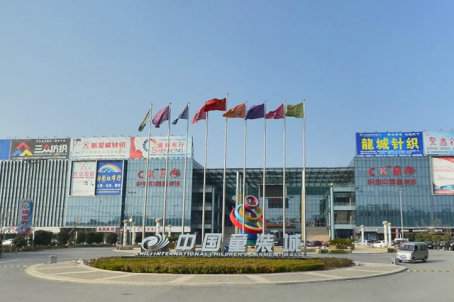
Introduction: Zhili Children's Clothing City, also known as Zhili Children's Clothing Wholesale Market or the "Capital of Chinese Children's Clothing", is one of the most well-known children's clothing markets in Zhejiang and even in China. It is an international children's clothing trading, research and development, and exhibition center with a large scale, complete supporting facilities, and advanced functions. Zhili Children's Clothing City covers a total area of about 600 acres, with a total construction area of about 700,000 square meters. It is developed and constructed in three phases, mainly for children's clothing wholesale trading and brand display, supplemented by functions such as exhibitions, research and development, business information, etc., to achieve modern commercial and experiential management and shopping space.
2. Guangzhou Children's Clothing Wholesale Market
Address: Shahe Street, Liwan District, Guangzhou City, Guangdong Province
Introduction: Guangzhou has a superior geographical location, adjacent to Hong Kong and Macao in the south of China, and has formed a large-scale clothing processing industry with many enterprises accepting clothing processing orders. Guangzhou Children's Clothing Wholesale Market is one of the largest children's clothing wholesale markets in China, and it is also the production base and wholesale center for domestic clothing. It has a large number of customers from various regions, and it is also one of the places where smuggled goods are easily circulated. There are many powerful suppliers of first-hand sources of brand children's clothing in Guangzhou Children's Clothing Wholesale Market, mainly in the mid-to-high-end market, such as the Zhongshan Eighth Road Business Circle, Nantian Market, Fulai Plaza, Children's Clothing Plaza, Zhuorong Children's Department Store Wholesale City, Shahe Market, etc.
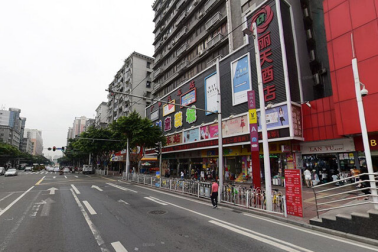
Introduction: Guangzhou has a superior geographical location, adjacent to Hong Kong and Macao in the south of China, and has formed a large-scale clothing processing industry with many enterprises accepting clothing processing orders. Guangzhou Children's Clothing Wholesale Market is one of the largest children's clothing wholesale markets in China, and it is also the production base and wholesale center for domestic clothing. It has a large number of customers from various regions, and it is also one of the places where smuggled goods are easily circulated. There are many powerful suppliers of first-hand sources of brand children's clothing in Guangzhou Children's Clothing Wholesale Market, mainly in the mid-to-high-end market, such as the Zhongshan Eighth Road Business Circle, Nantian Market, Fulai Plaza, Children's Clothing Plaza, Zhuorong Children's Department Store Wholesale City, Shahe Market, etc.
3. Hangzhou Children's Clothing Wholesale Market
Address: 187 Hanghai Road, Shangcheng District, Hangzhou City, Zhejiang Province
Introduction: Hangzhou Children's Clothing Wholesale Market is mainly the Sijiqing Children's Clothing Wholesale Market, where more than 80% of the stalls are focused on wholesale. It gathers nearly a thousand clothing production enterprises. Sijiqing Jiabao Children's Clothing Market is a modern clothing wholesale and trading market that integrates children's clothing, children's shoes, children's bags, children's toys, and children's products. It collects various trendy styles of children's clothing from around the world, and has formed a mid-to-high-end children's clothing specialty market that specializes in wholesale foreign trade. In addition, there are also many children's clothing wholesale markets in the Huanbei Small Commodities Market on Fengqi Road, where wholesale prices are lower than Sijiqing, but the clothing quality is relatively lower than that of Sijiqing.
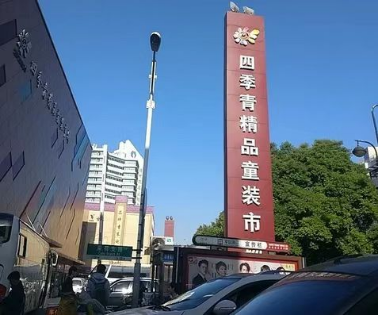
Introduction: Hangzhou Children's Clothing Wholesale Market is mainly the Sijiqing Children's Clothing Wholesale Market, where more than 80% of the stalls are focused on wholesale. It gathers nearly a thousand clothing production enterprises. Sijiqing Jiabao Children's Clothing Market is a modern clothing wholesale and trading market that integrates children's clothing, children's shoes, children's bags, children's toys, and children's products. It collects various trendy styles of children's clothing from around the world, and has formed a mid-to-high-end children's clothing specialty market that specializes in wholesale foreign trade. In addition, there are also many children's clothing wholesale markets in the Huanbei Small Commodities Market on Fengqi Road, where wholesale prices are lower than Sijiqing, but the clothing quality is relatively lower than that of Sijiqing.
4. Foshan Children's Clothing Wholesale Market
Address: Tangyuan East 1st Street, Chancheng District, Foshan City, Guangdong Province
Introduction: Foshan Children's Clothing has a development history of more than 30 years and is a traditional pillar industry in Foshan. There are over 6,000 children's clothing companies in Foshan, and the output of children's clothing accounts for one third of the national total. Foshan Children's Clothing Wholesale Market is mainly located in the Zumiao Street, which is a famous town for children's clothing in China and one of the origins of Foshan Children's Clothing. The main industrial carrier is Foshan Huan Shi Children's Clothing City, which is a complete industrial chain for children's clothing design, processing, production, logistics, and an interdependent and complementary children's clothing industry cluster. It is one of the largest centralized production bases and factory direct sales centers for children's clothing in China, and its products are exported to the United States, Canada, Russia, South Africa, the Middle East, and other countries and regions, with a number of well-known brands emerging. In addition, Jiancun Children's Clothing Wholesale Market in Foshan is an early children's clothing wholesale market, mainly selling clothing, accessories, and daily necessities for children and toddlers. The children's clothing wholesale prices here are relatively cheaper compared to other domestic markets.
Introduction: Foshan Children's Clothing has a development history of more than 30 years and is a traditional pillar industry in Foshan. There are over 6,000 children's clothing companies in Foshan, and the output of children's clothing accounts for one third of the national total. Foshan Children's Clothing Wholesale Market is mainly located in the Zumiao Street, which is a famous town for children's clothing in China and one of the origins of Foshan Children's Clothing. The main industrial carrier is Foshan Huan Shi Children's Clothing City, which is a complete industrial chain for children's clothing design, processing, production, logistics, and an interdependent and complementary children's clothing industry cluster. It is one of the largest centralized production bases and factory direct sales centers for children's clothing in China, and its products are exported to the United States, Canada, Russia, South Africa, the Middle East, and other countries and regions, with a number of well-known brands emerging. In addition, Jiancun Children's Clothing Wholesale Market in Foshan is an early children's clothing wholesale market, mainly selling clothing, accessories, and daily necessities for children and toddlers. The children's clothing wholesale prices here are relatively cheaper compared to other domestic markets.
5. Dongguan Children's Clothing Wholesale Market
Address: Yilong Road, Core Business District, Humen Town, Dongguan City, Guangdong Province
Introduction: Fumin Children's Clothing Wholesale City, also known as Fumin Jinhui Children's Clothing City, was founded in 1995, with a business area of more than 6,000 square meters and over 300 shops. It is the largest professional wholesale market for children's clothing in South China. It mainly deals in mid-to-high-end children's clothing, handbags and leather goods, and operates both wholesale and retail. The products range from baby clothing, children's clothing, infant and toddler products to exquisite handbags and leather goods, with many brands available. The Children's Clothing City inherits the unique "front store and back factory" business model of Fumin Commercial Building, greatly reducing the logistics channels, ensuring low prices, high quality, fashionable and beautiful products, and many other advantages. The styles of children's clothing are new, varied, of good quality and reasonable price, and are supported by a large customer base.
Introduction: Fumin Children's Clothing Wholesale City, also known as Fumin Jinhui Children's Clothing City, was founded in 1995, with a business area of more than 6,000 square meters and over 300 shops. It is the largest professional wholesale market for children's clothing in South China. It mainly deals in mid-to-high-end children's clothing, handbags and leather goods, and operates both wholesale and retail. The products range from baby clothing, children's clothing, infant and toddler products to exquisite handbags and leather goods, with many brands available. The Children's Clothing City inherits the unique "front store and back factory" business model of Fumin Commercial Building, greatly reducing the logistics channels, ensuring low prices, high quality, fashionable and beautiful products, and many other advantages. The styles of children's clothing are new, varied, of good quality and reasonable price, and are supported by a large customer base.
6. Wuhan Children's Clothing Wholesale Market
Address: Yaduan B Area, Hanzheng Street, Qiaokou District, Wuhan City, Hubei Province
Introduction: The operating area is about 10,000 square meters, with nearly 2,000 business households. The clothing styles in the entire Hanzheng Street market are very diverse, and the prices are mainly in the middle and low-end range. In addition, the "Famous Brand Street" in Guanghuo Lane specializes in brand clothing. The entire street has only 250 meters, but it gathers nearly 100 wholesale merchants of well-known domestic brands such as "Youngor", "Busen", and "Shanshan", forming a large-scale operation with surrounding Yaduan Lane Market and Xintai Market, becoming the largest children's clothing trading area in Wuhan region.
Introduction: The operating area is about 10,000 square meters, with nearly 2,000 business households. The clothing styles in the entire Hanzheng Street market are very diverse, and the prices are mainly in the middle and low-end range. In addition, the "Famous Brand Street" in Guanghuo Lane specializes in brand clothing. The entire street has only 250 meters, but it gathers nearly 100 wholesale merchants of well-known domestic brands such as "Youngor", "Busen", and "Shanshan", forming a large-scale operation with surrounding Yaduan Lane Market and Xintai Market, becoming the largest children's clothing trading area in Wuhan region.
7. Zhengzhou Children's Wear Wholesale Market
Address: No. 51, Caochang Street, Guancheng Hui District, Zhengzhou City, Henan Province
Introduction: As a commercial city, Zhengzhou currently has nearly 400 wholesale markets of different sizes. The Zhengzhou Children's Wear Wholesale Market is concentrated in the clothing market at the train station, with children's wear available from the basement to the eighth floor of the Hengtai Children's Wear Wholesale Market. There are more miscellaneous goods on the first three floors, and more branded items on the fourth floor and above, with a wide variety of products. In addition to Hengtai, there is also a children's wear area on the negative first floor and fifth floor of the Shilu Shopping Mall to the west, and a market dedicated to wholesale children's wear on the southeast side of the Zhengzhou Yinji Business and Trade City. There are multiple entrances to the market, and it is divided into high-end and low-end areas. The entrance on the street is for low-end goods, while the entrance near the World Trade Center is for high-end goods.
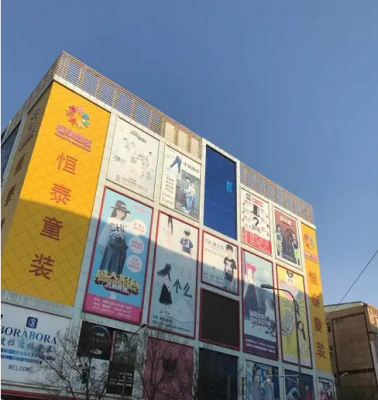
Introduction: As a commercial city, Zhengzhou currently has nearly 400 wholesale markets of different sizes. The Zhengzhou Children's Wear Wholesale Market is concentrated in the clothing market at the train station, with children's wear available from the basement to the eighth floor of the Hengtai Children's Wear Wholesale Market. There are more miscellaneous goods on the first three floors, and more branded items on the fourth floor and above, with a wide variety of products. In addition to Hengtai, there is also a children's wear area on the negative first floor and fifth floor of the Shilu Shopping Mall to the west, and a market dedicated to wholesale children's wear on the southeast side of the Zhengzhou Yinji Business and Trade City. There are multiple entrances to the market, and it is divided into high-end and low-end areas. The entrance on the street is for low-end goods, while the entrance near the World Trade Center is for high-end goods.
8. Shenzhen Children's Wear Wholesale Market
Address: Bao'an North Road, Luohu District, Shenzhen City, Guangdong Province
Introduction: The Shenzhen Children's Wear Wholesale Market is a domestic foreign trade clothing export and wholesale center with a large number of customers from various regions. Main markets include the Shenzhen Wanghong Foreign Trade Clothing Wholesale Market, which mainly deals in foreign trade clothing, and the Dongmen Baohua Baima Clothing Wholesale City, located in the active commercial Dongmen pedestrian street area, which mainly deals in fashion wholesale and various grades of clothing with a wide variety of products. It is currently the largest fashion distribution center in Shenzhen. The Dongmen Mingshi Shopping Mall is also an early children's wear wholesale market.
Introduction: The Shenzhen Children's Wear Wholesale Market is a domestic foreign trade clothing export and wholesale center with a large number of customers from various regions. Main markets include the Shenzhen Wanghong Foreign Trade Clothing Wholesale Market, which mainly deals in foreign trade clothing, and the Dongmen Baohua Baima Clothing Wholesale City, located in the active commercial Dongmen pedestrian street area, which mainly deals in fashion wholesale and various grades of clothing with a wide variety of products. It is currently the largest fashion distribution center in Shenzhen. The Dongmen Mingshi Shopping Mall is also an early children's wear wholesale market.
9. Chengdu Children's Wear Wholesale Market
Address: No. 24, Beizhan East Road, Jinniu District, Chengdu City, Sichuan Province
Introduction: The Chengdu Children's Wear Wholesale Market is mainly concentrated in the Hua Huachi Dacheng Market, the E block of the second phase of the Chengdu Hua Huachi City Market, the 1st, 2nd, and 3rd floors of the Chengdu Hua Huachi Bai Fu 2nd district, the -1st floor of the Chengdu Hua Huachi Bai Fu 1st district, and the 16th trading area of the Chengdu Hua Huachi Market. The Chengdu Hua Huachi Children's Wear Wholesale Market was established in 1986, with numerous merchants and products, low prices, good quality, large product radiation and throughput. It is an important channel for Chengdu's children's wear wholesale procurement, covering the entire Sichuan province as well as parts of Yunnan, Guizhou, Tibet, and Xinjiang.
Introduction: The Chengdu Children's Wear Wholesale Market is mainly concentrated in the Hua Huachi Dacheng Market, the E block of the second phase of the Chengdu Hua Huachi City Market, the 1st, 2nd, and 3rd floors of the Chengdu Hua Huachi Bai Fu 2nd district, the -1st floor of the Chengdu Hua Huachi Bai Fu 1st district, and the 16th trading area of the Chengdu Hua Huachi Market. The Chengdu Hua Huachi Children's Wear Wholesale Market was established in 1986, with numerous merchants and products, low prices, good quality, large product radiation and throughput. It is an important channel for Chengdu's children's wear wholesale procurement, covering the entire Sichuan province as well as parts of Yunnan, Guizhou, Tibet, and Xinjiang.
10. Shishi Children's Clothing Wholesale Market
Address: Shishi City, Quanzhou City, Fujian Province
Introduction: The origin of Shishi Children's Clothing Base dates back to the 1980s, and the main gathering place is Fengli Street, which has a long history. Currently, there are over 750 enterprises related to children's clothing in Fengli, which produce more than 50 million sets of children's clothing every year, with an annual output value of over one billion yuan. With its unique features such as novel styles, fashionable design styles, and good quality and low price, Fengli children's clothing has gradually become the leader in children's clothing in Shishi and even Quanzhou area. Its market share is expanding both domestically and internationally, and its influence and popularity in the national children's clothing industry are increasing day by day.
There are many wholesale markets for children's clothing in China, and the following ten places are relatively famous. Among them, I recommend three categories for you to visit:
• Mid-to-low-end children's clothing: Dongguan, Guangdong
• Mid-to-high-end children's clothing: Zhili, Zhejiang
• Including low, middle, and high-end: Shenzhen, Guangdong
Introduction: The origin of Shishi Children's Clothing Base dates back to the 1980s, and the main gathering place is Fengli Street, which has a long history. Currently, there are over 750 enterprises related to children's clothing in Fengli, which produce more than 50 million sets of children's clothing every year, with an annual output value of over one billion yuan. With its unique features such as novel styles, fashionable design styles, and good quality and low price, Fengli children's clothing has gradually become the leader in children's clothing in Shishi and even Quanzhou area. Its market share is expanding both domestically and internationally, and its influence and popularity in the national children's clothing industry are increasing day by day.
There are many wholesale markets for children's clothing in China, and the following ten places are relatively famous. Among them, I recommend three categories for you to visit:
• Mid-to-low-end children's clothing: Dongguan, Guangdong
• Mid-to-high-end children's clothing: Zhili, Zhejiang
• Including low, middle, and high-end: Shenzhen, Guangdong
These three regions all have their own distinctive features, and the clothing quality is also very good. Especially in Zhili, Zhejiang, where all three categories are included, I recommend choosing mid-to-high-end children's clothing, because compared to other wholesale markets, Zhili, known as the "capital of Chinese children's clothing", has better workmanship and styles in the mid-to-high-end segment, while the mid-to-low-end segment is similar in each market.
6. How to find Chinese children's clothing manufacturers online and wholesalers for children's clothes?
One of the biggest advantages of searching for manufacturers and suppliers online is that there are no spatial limitations. You can contact potential partners from different regions at the same time and view their qualifications online to see if they meet your requirements. Before choosing a partner, you need to determine how much you need to order. If you just want to try importing Chinese products to see if they sell well, it is recommended to purchase from wholesale markets in China, which is also convenient. If you are ready to import in large quantities or have your own designs, you can look for Chinese manufacturers to collaborate with. Below are some methods for finding Chinese manufacturers and suppliers online:
1. Use Google Search with keywords such as "China Children's Clothing Manufacturer", "China Guangdong Children's Clothing Center", "Guangdong Children's Clothing Manufacturer", "Zhejiang Zhili Children's Clothing Manufacturer", "China Children's Clothing City", etc. However, be aware that the results may mainly show ads or SEO-ranked websites from the Shantou area in Guangdong, China.
2. Use the website Made-in-China.com and search with the same keywords as above.
3. Use the Baidu search engine with the formula "(region + clothing + factory type)", for example, "Zhejiang Zhili - children's clothing - manufacturer". This formula can help you find factory websites and obtain many factory information and contact details. However, be cautious of middlemen who may increase your costs.
4. Use the "Find Factory" function on the top of the 1688.com homepage, where you can filter factories in Guangdong and see recommendations, rankings, factory size, and customer evaluations to help you choose a suitable factory. It is recommended for beginners to start with factories that accept small batch customization.

7. How to Find Children's Clothing Manufacturers and Suppliers in China Offline
The previous section talked about how to find manufacturers and suppliers online. This section will discuss how to do it offline.
Actually, finding manufacturers and suppliers offline still requires online media. However, the scope will be much smaller. For example, if we focus on children's clothing, we can narrow it down to Zhejiang or Guangdong. Let's take Zhejiang as an example. You need to know about the local children's clothing industry, the manufacturers, and wholesalers in the area. From there, you can select the ones you think are suitable, communicate with them online, and then move on to offline interactions.
This method may be more cumbersome, but it can help you find more reliable business partners and reduce a lot of unnecessary troubles.
8. Things to Pay Attention to When Wholesale Children's Clothing
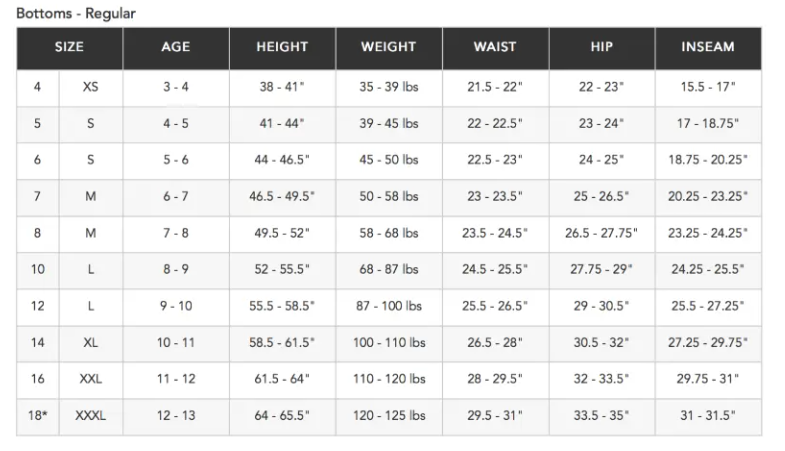
8.1 Children's clothes sizes
What are children's clothes sizes?
Children's clothes sizes vary depending on the age, weight, and height of the child. Here are some general children's clothing sizes guidelines:
Infant Sizes:
Preemie: This size is designed for premature babies who weigh less than 5 pounds.
Newborn: This size is designed for babies who weigh between 5 and 8 pounds.
0-3 months: This size is designed for babies who weigh between 8 and 12 pounds and are around 21.5 inches in height.
3-6 months: This size is designed for babies who weigh between 12 and 16 pounds and are around 24 inches in height.
6-9 months: This size is designed for babies who weigh between 16 and 20 pounds and are around 26.5 inches in height.
9-12 months: This size is designed for babies who weigh between 20 and 24 pounds and are around 29 inches in height.
12-18 months: This size is designed for babies who weigh between 24 and 28 pounds and are around 31 inches in height.
18-24 months: This size is designed for babies who weigh between 28 and 30 pounds and are around 33 inches in height.
Toddler Sizes:
2T: This size is designed for toddlers who are 2 years old and are around 33 inches in height and 30 pounds in weight.
3T: This size is designed for toddlers who are 3 years old and are around 36 inches in height and 34 pounds in weight.
4T: This size is designed for toddlers who are 4 years old and are around 39 inches in height and 38 pounds in weight.
5T: This size is designed for toddlers who are 5 years old and are around 42 inches in height and 42 pounds in weight.
Kids Sizes:
These sizes are based on the child's age and height, with a range of 4 to 16 years old and a height of 39 to 63 inches.
Some clothing brands may have slightly different sizing charts, so it's always a good idea to check the specific brand's sizing information before making a purchase.
Infant Sizes:
Preemie: This size is designed for premature babies who weigh less than 5 pounds.
Newborn: This size is designed for babies who weigh between 5 and 8 pounds.
0-3 months: This size is designed for babies who weigh between 8 and 12 pounds and are around 21.5 inches in height.
3-6 months: This size is designed for babies who weigh between 12 and 16 pounds and are around 24 inches in height.
6-9 months: This size is designed for babies who weigh between 16 and 20 pounds and are around 26.5 inches in height.
9-12 months: This size is designed for babies who weigh between 20 and 24 pounds and are around 29 inches in height.
12-18 months: This size is designed for babies who weigh between 24 and 28 pounds and are around 31 inches in height.
18-24 months: This size is designed for babies who weigh between 28 and 30 pounds and are around 33 inches in height.
Toddler Sizes:
2T: This size is designed for toddlers who are 2 years old and are around 33 inches in height and 30 pounds in weight.
3T: This size is designed for toddlers who are 3 years old and are around 36 inches in height and 34 pounds in weight.
4T: This size is designed for toddlers who are 4 years old and are around 39 inches in height and 38 pounds in weight.
5T: This size is designed for toddlers who are 5 years old and are around 42 inches in height and 42 pounds in weight.
Kids Sizes:
These sizes are based on the child's age and height, with a range of 4 to 16 years old and a height of 39 to 63 inches.
Some clothing brands may have slightly different sizing charts, so it's always a good idea to check the specific brand's sizing information before making a purchase.
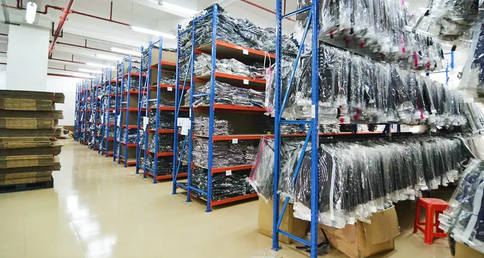
8.2 Tips for Purchasing in Bulk
1. Clarify the purpose of the purchase, and record the style, quantity, and price range of the goods to be purchased.
2. Compare prices from at least three different sources, as there may be price inflation in the children's clothing wholesale market.
3. Follow other buyers. If someone else orders the same item you want, follow their order to avoid being overcharged.
4. Ask if returns or exchanges are allowed, and what the policy is. Low-end children's clothing wholesale vendors usually don't allow returns, while mid-to-high-end vendors may allow them but with certain restrictions.
5. Items in black plastic bags are usually bestsellers.
6. Ask for size first, then color, and finally the price.
7. Don't haggle too hard over the price. If the purchase volume meets the vendor's requirements, they may be willing to offer a lower price, but there may not be much room for further negotiation.
2. Compare prices from at least three different sources, as there may be price inflation in the children's clothing wholesale market.
3. Follow other buyers. If someone else orders the same item you want, follow their order to avoid being overcharged.
4. Ask if returns or exchanges are allowed, and what the policy is. Low-end children's clothing wholesale vendors usually don't allow returns, while mid-to-high-end vendors may allow them but with certain restrictions.
5. Items in black plastic bags are usually bestsellers.
6. Ask for size first, then color, and finally the price.
7. Don't haggle too hard over the price. If the purchase volume meets the vendor's requirements, they may be willing to offer a lower price, but there may not be much room for further negotiation.
8.3 Things cannot be trusted in wholesale markets:
"This style is very popular and is the hot item of the season."
"You won't find this item in other stores, only our store has it."
"We specialize in foreign trade children's clothing, our quality is much better than others."
"Red/blue/pink is the main color of this year, it sells very well."
"This is a new style that is the most popular."
All of these 5 phrases are lies told by the shop owners in the wholesale market. Every shop will tell you these phrases. Novice children's clothing buyers need to have their own judgment and clear purchasing goals, otherwise the dazzling array of children's clothing in the wholesale market can make you forget your store positioning and end up buying more than you can sell. "Buying too much and then selling at a loss" often happens to children's clothing retailers.
8.4 Choosing a Manufacturer to Collaborate With
In the article, we also provide you with information about the manufacturing regions. Zhejiang Zhili is known as the "Capital of Chinese Children's Clothing," and there are different sizes of manufacturers there. Each manufacturer has different minimum order quantities, and some manufacturers require you to provide your own raw materials for production. Therefore, when choosing a manufacturer, you need to be clear about how much you want to customize and then choose the appropriate manufacturer. Also, it is important to compare prices from different manufacturers, as their quotes may differ. Finally, one important point to remember is that once you choose a manufacturer, it is essential to ask them to make a sample first. If the quality and price of the sample meet your requirements, then you can proceed with large-scale production.
Summary
This article briefly introduces the Chinese children's wear market, and we believe that after reading it, you will have a greater interest in the Chinese children's wear market. We hope that our article can provide you with practical help and wish you further success in your career.
There are still many points about Chinese manufacturers and suppliers that cannot be covered in one article. If you are interested, you can follow our official website. We will continue to publish many articles on this topic and other interesting industry knowledge.
If you are also interested in jewelry, you can take a look at: https://www.yeajewel.com
Leave a Reply
Your email address will not be published.Required fields are marked. *